Work and meeting space · LORENZO Colorlab

A space to work together

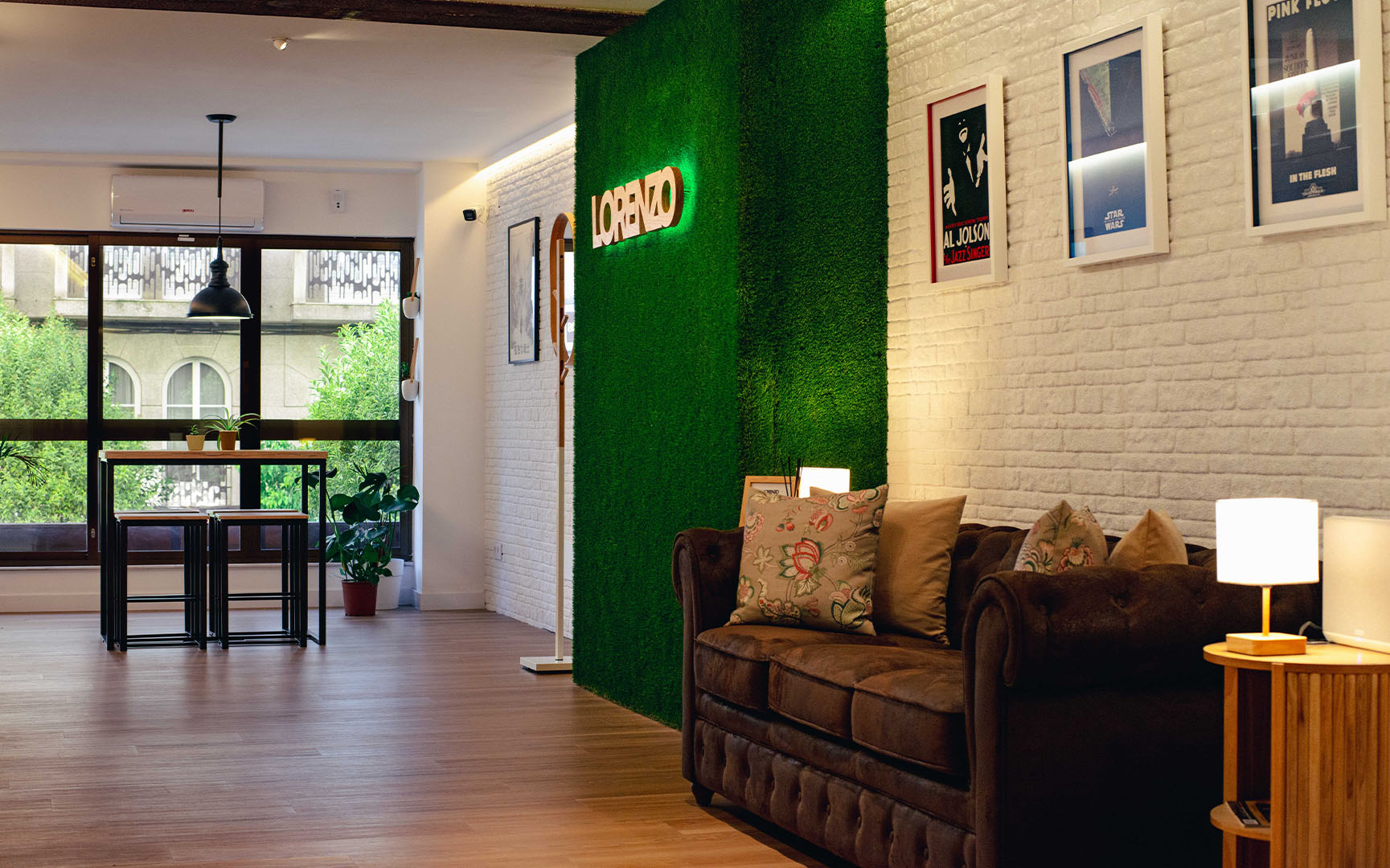
Audiovisual post-production is also a collaborative process. That is why the studio is set up to work in person with directors, DPs, producers and post teams through the different phases of each project.

And because not everything can happen in front of a screen, we also have spaces with natural light and plants — somewhere to leave the cave for a while, have a coffee, look at an idea or simply talk about it. Sometimes stepping back from the screen is part of the process too.

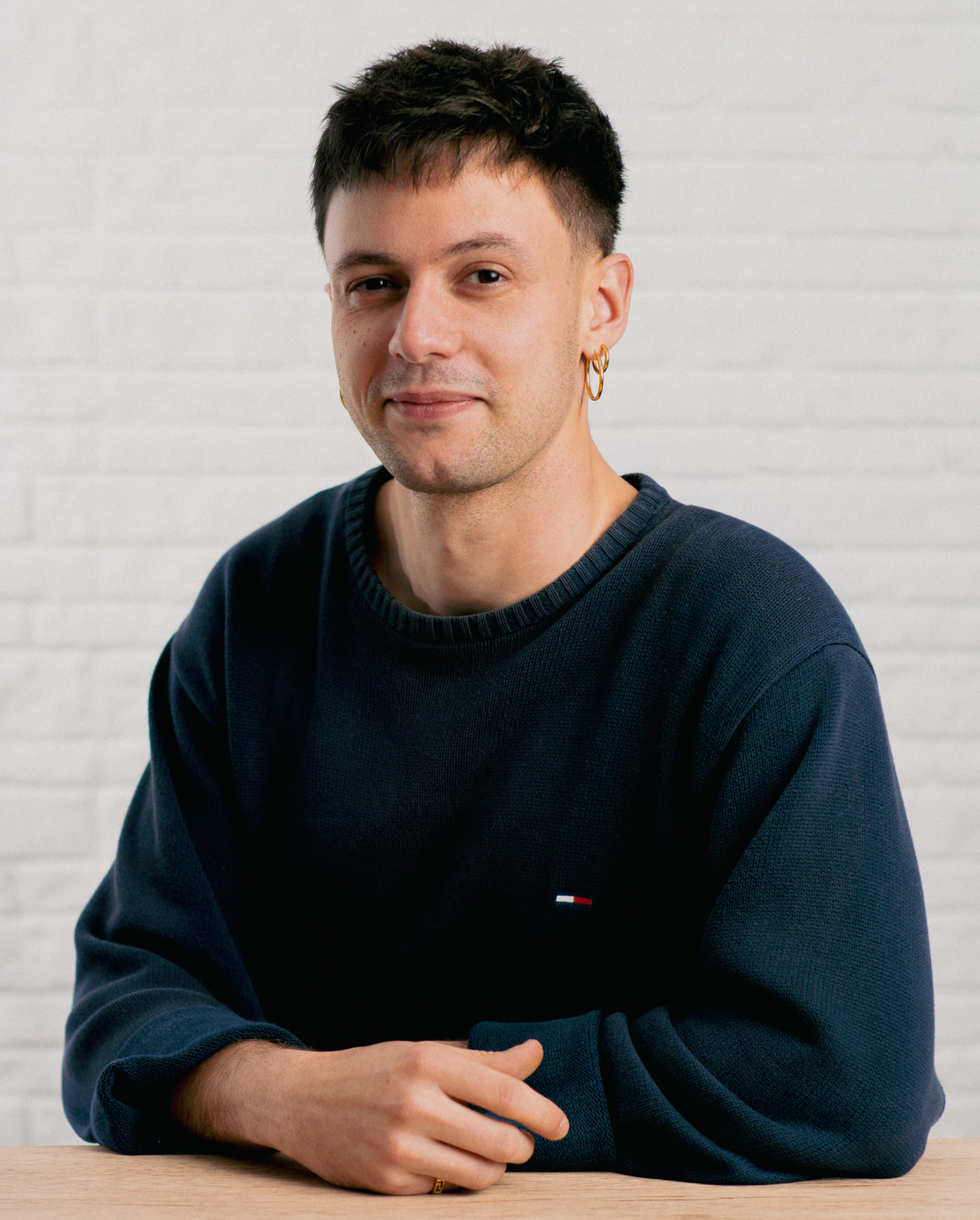
Salwa Azzam

Salwa Azzam

Editor · Production

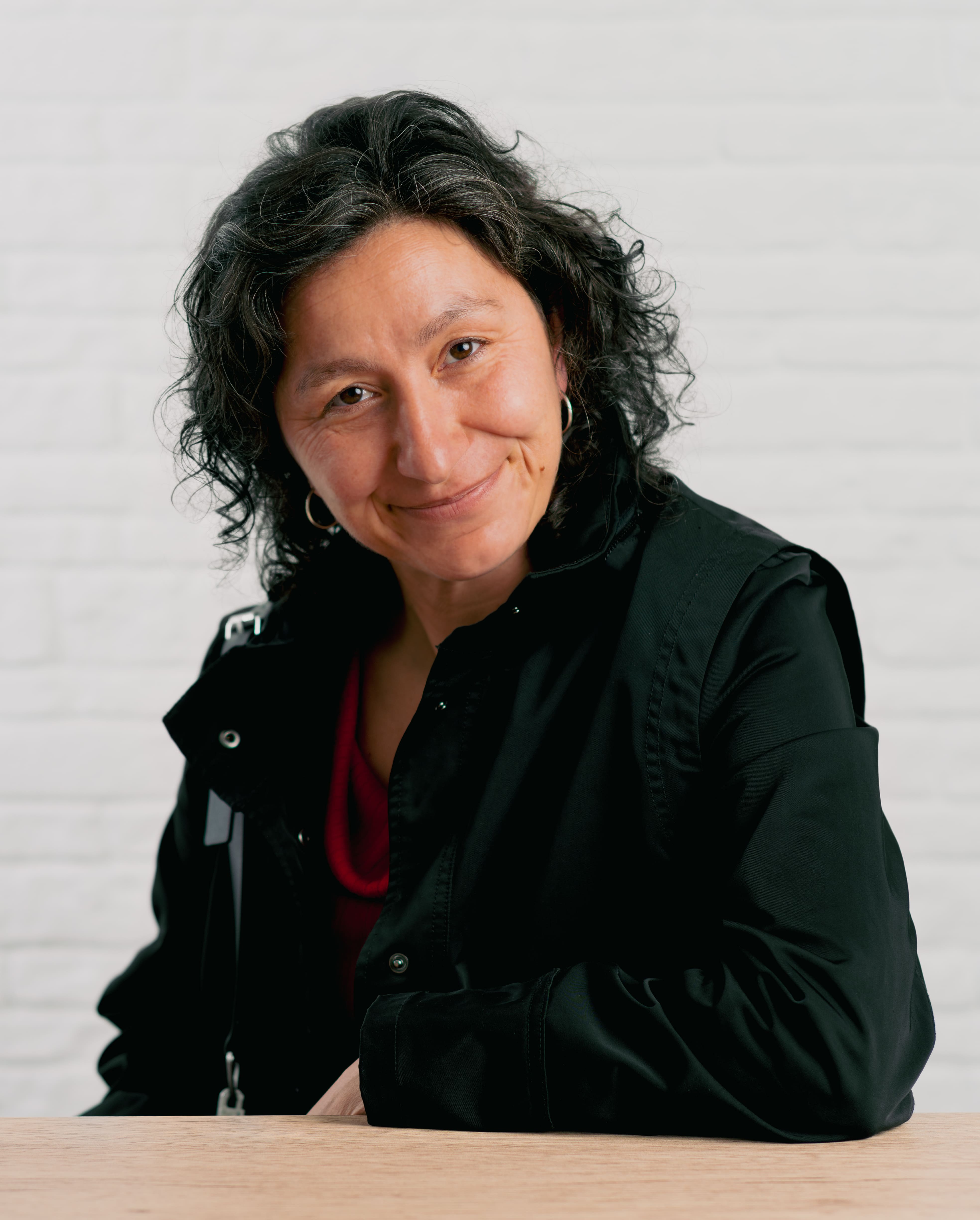
Edits films, series and campaigns. She likes finding the rhythm before anyone notices it was there, and getting every scene exactly where it has to be. She also makes things happen — no small thing — following production and coordinating every phase of the process.

JR Lorenzo

JR Lorenzo

Colorist · Founder

He wanted to be a rock star from an early age, but cinema got in the way and he ended up spending more hours in front of a screen than on a stage. Between editing, color and the odd chromatic fantasy, he has spent years refining images and insisting that yes, that small change does show.

Jorge López

Jorge López

Design · Post-production

Designer and post-production technician. He makes posters, titles and graphic elements, but also moves between editing, conform and material preparation. He has the rare ability to enjoy designing a graphic as much as finding a pixel sitting where it shouldn't.

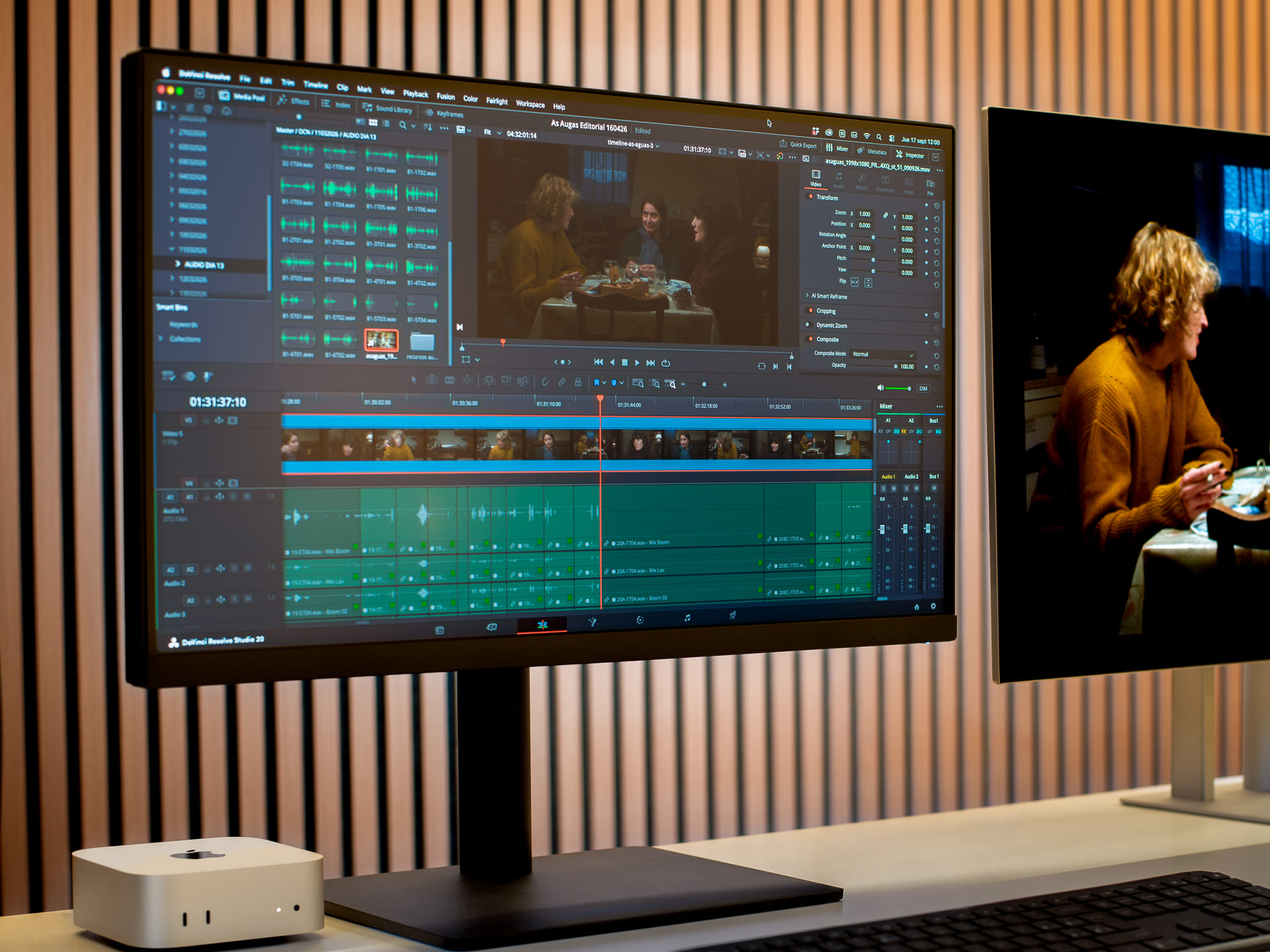
Edit stations · LORENZO Colorlab

Edit suites

Spaces dedicated to editing, assembly and the technical preparation of every project, integrated with the studio’s high-speed storage and network infrastructure.

This is where we build the cut, prepare projects for color, conform from the camera originals, integrate VFX and set up finishing and mastering timelines. An environment designed to keep a project continuous from edit through to final delivery.

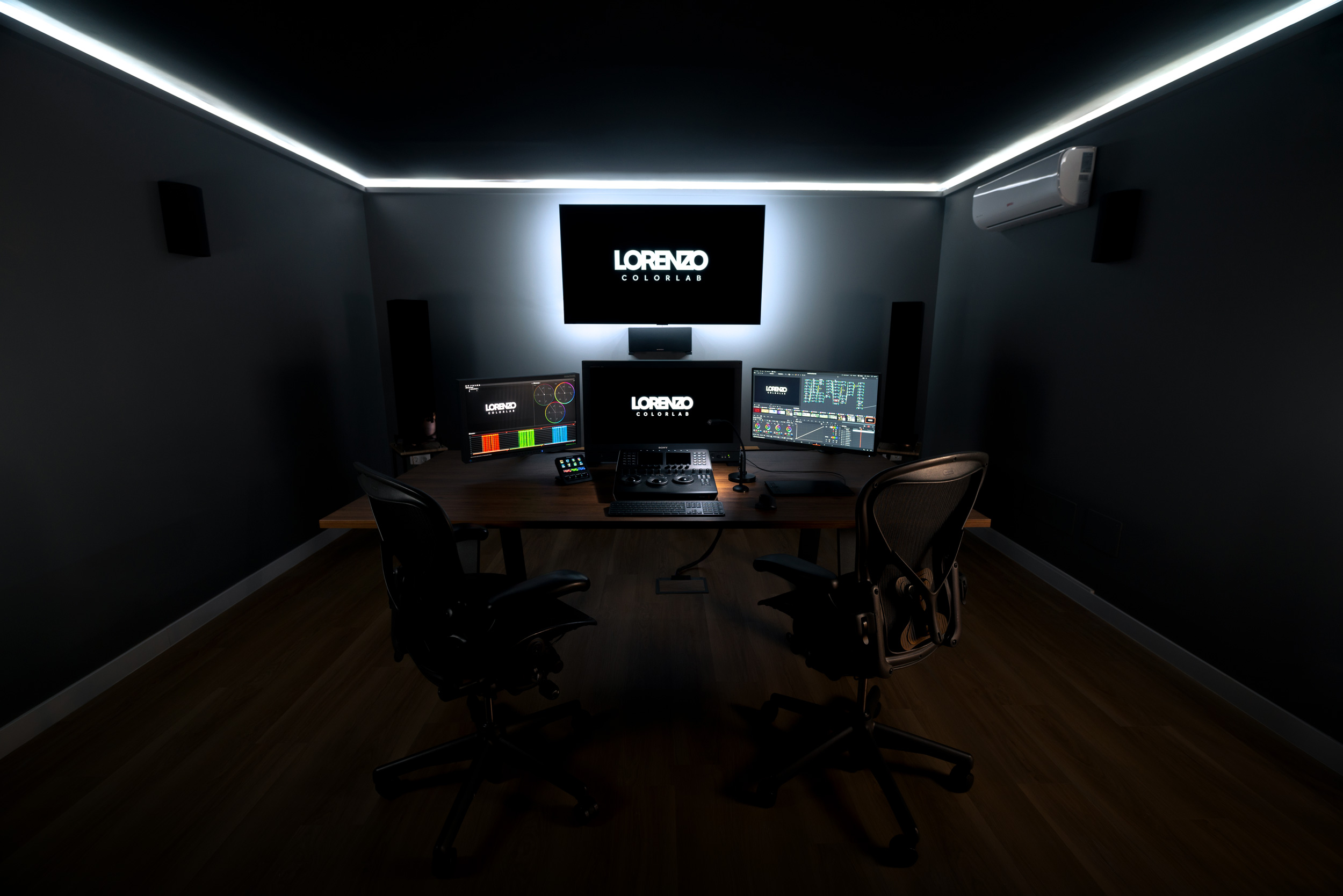
Color suite · LORENZO Colorlab

Color suite

The heart of the studio. A color suite calibrated for grading, look design, finishing and quality control, equipped with a Sony Trimaster HX BVM-HX310 reference monitor, DaVinci Resolve and a 5.1.2 audio monitoring system.

We work and review masters in SDR, HDR and Dolby Vision under reference conditions, keeping control over the image from grading through to final delivery.

Digital lab

All our services

Pre-production

An audiovisual project can involve several cameras, RAW or compressed formats, editing systems, VFX, color spaces and delivery specifications. The pipeline determines how all of those elements relate to one another.

We study the needs of each production and define a working strategy suited to its characteristics: capture formats, file structure, codecs, resolution, frame rate, color management, VFX exchange, editing and mastering requirements.

We can also set naming conventions, project organisation and version management so material moves cleanly between production, editing, VFX, sound and finishing.

Sound technical planning makes it possible to catch incompatibilities before they reach the final stages of post-production.

Pre-production · Shoot

The look defines how a film or audiovisual project is read visually. We work alongside the director and the DP to turn visual intent into an image treatment that can be reproduced throughout the process.

We can come in as early as pre-production, through camera, lens, exposure and lighting tests. From those tests we develop looks, LUTs and visual references that can be used on set and across the different post-production stations.

In finishing we carry that visual language onto the original material and refine it, keeping a coherent relationship between the decisions made on set and the final result.

The process adapts to the color management system each production uses and to its different exhibition destinations, from an SDR master to HDR versions.

Shoot

Dailies are the first visual reference of the material recorded on set. Handled properly, they let direction, production, editorial and other departments work from a coherent representation of the originals.

We process the camera files applying the image treatment established for the production and generate the formats needed for viewing and editing.

Depending on the needs of the project, the service can include sound sync, LUTs or color transforms, proxy creation, reference files and organisation of the material.

The aim is a continuous flow between shoot and post-production, keeping the originals identified and making sure the files used in editorial never lose their relationship to the camera sources.

Post-production

Editing happens inside an environment connected to the rest of post-production, so the project material can be worked on from one central place.

We set the project up to keep a reliable relationship between the files used in editorial and the camera originals. That matters especially on productions combining different capture formats, proxies, VFX and multiple cuts.

The networked infrastructure allows resources to be shared and a common organisation to be kept across editing, conform, VFX and color.

Along the way we also prepare the project for later reconstruction at full quality, easing the transition from the approved cut into finishing.

Finishing

Conform turns the approved cut into a finishing timeline built from the highest-quality material available.

We reconnect every shot to its camera original, check resolutions and frame rates and rebuild the definitive structure of the edit. We also handle VFX versions and any other element that has to make it into the master.

The process means reviewing the differences between the cut and the source material: shot changes, replacements, speed changes, reframings, transitions, effects and anything else that can affect the final result.

Before color grading begins we verify that the timeline reproduces the approved edit exactly and that every element needed is ready for finishing.

Finishing

Color grading is one of the central stages of finishing. Here we work on the final image to establish exposure, contrast, color and continuity across the different scenes and shots.

LORENZO ColorLab has a Grade 1 suite with calibrated reference monitoring, set up to work on both SDR and HDR deliveries.

The process can include primary correction, secondary corrections, matching, isolation of elements, creation and application of looks, and specific treatment of different image sources.

We work with color management systems such as ACES and with other workflows adapted to the characteristics of each production. The finish can be prepared for different color spaces and distribution destinations, including cinema, television, streaming, HDR and Dolby Vision.

Post-production

We develop graphic elements meant to sit inside the audiovisual piece itself or to form part of its communication material.

The work runs from visual identity and composition through to animation and preparation of the final pieces. We build opening title sequences and end credits, cards, credit rolls, lower thirds, infographics, animated graphics and other motion graphics elements.

We also produce graphic pieces tied to the launch and promotion of a production, including posters and adaptations of visual material for different formats.

The design takes into account the visual language of the project and the technical specifications of its final destination, so the graphic elements integrate properly with the image and can be carried correctly into the master.

Delivery

Once the creative and technical process is complete, we prepare the masters for the different exhibition and distribution systems.

We work to cinema, television, digital platform and other audiovisual specifications, adapting each version according to its resolution, frame rate, color space, codec, audio, subtitles and file structure.

Delivery formats include DCP, IMF, ProRes and various broadcast and streaming masters, as well as SDR and HDR versions.

When a project calls for multiple versions, we manage the different combinations of image, audio, subtitles, languages or technical specifications while keeping a common reference to the approved master.

Before delivery we run technical checks on the final files, verifying duration, sync, image, audio, levels, frame rate, subtitles and the structure of the delivery package.
Delivery

A project does not end when the master is delivered. Archiving preserves the material needed to recover, verify or reuse the project in the future.

Together with the client we define which elements have to be preserved: camera originals, edit projects, timelines, masters, audio, VFX, graphics, LUTs, documentation and any other relevant material.

The preservation strategy can combine disk storage and LTO tape, using independent copies and an organised structure that makes the different elements easy to identify.

The process includes verification of the archived data and the documentation needed to keep a clear reference of what each archive contains.

The aim is to preserve not only the final master, but also the elements needed for future versions, new deliveries, restorations or remastering.

Pre-production

Workflow / pipeline consulting

An audiovisual project can involve several cameras, RAW or compressed formats, editing systems, VFX, color spaces and delivery specifications. The pipeline determines how all of those elements relate to one another.

We study the needs of each production and define a working strategy suited to its characteristics: capture formats, file structure, codecs, resolution, frame rate, color management, VFX exchange, editing and mastering requirements.

We can also set naming conventions, project organisation and version management so material moves cleanly between production, editing, VFX, sound and finishing.

Sound technical planning makes it possible to catch incompatibilities before they reach the final stages of post-production.